
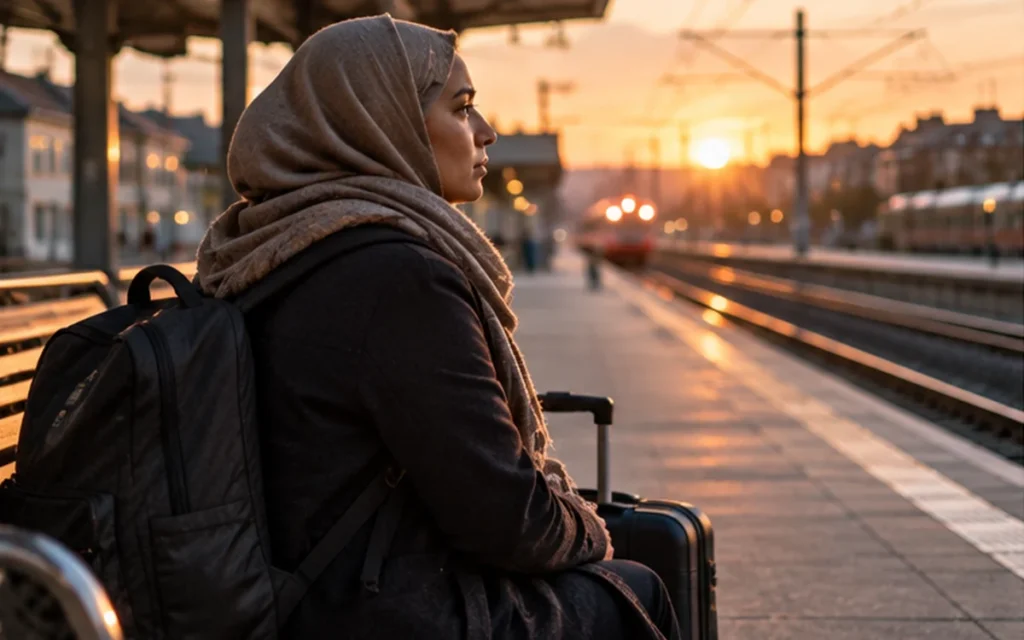
Trauma may follow war, violence, displacement, accidents or other serious events. For people forced to leave home, additional burdens often follow: uncertainty about residence, loss, language barriers and separation from family. Symptoms may become intertwined with present living conditions. [1]
People do not necessarily describe psychological distress in the same way. Some speak of nightmares and fear; others chiefly mention pain, palpitations or exhaustion. Good assessment explores language, culture and the individual’s interpretation without assuming that everyone from one country has the same experience. [2]
When patient and clinician share a language, difficult memories and nuances may be easier to communicate. When interpretation is required, it should be professional and confidential. In selected circumstances, secure telepsychiatry may improve access to specialist care that is sensitive to language and culture. [3]
References
- WHO. World report on the health of refugees and migrants. 2022.
- WHO. Post-traumatic stress disorder. Fact sheet. 2026.
- Mucic D, Shore J, Hilty DM. WPA Telepsychiatry Global Guidelines. 2024.
This information does not replace an individual medical assessment. Seek urgent assistance in an emergency.