Articles on Mental Health

Here you will find articles about mental health, mental health conditions and psychiatric treatment. We share professional knowledge, insights and perspectives on topics such as ADHD, anxiety, depression, stress, sleep problems and other mental health challenges.

Use the search field to find articles on topics that interest you, or explore our collection of articles.

The same digital experience can affect people in different ways. Age, personality, self-esteem and mental health all influence how we experience technology.
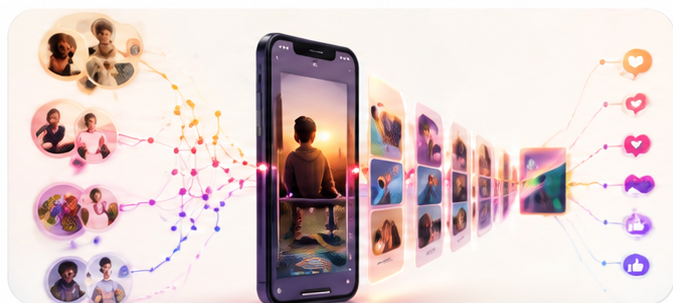
Algorithms shape much of what we see online. Understanding how they work can help us make more conscious choices and protect our digital wellbeing.
What we see online can shape how we feel. Explore how social media, digital content and everyday online habits can influence mental health and wellbeing.
Two hours of screen time are not always the same. How we use digital media, whether actively, passively or compulsively, can matter as much as
Screen time alone does not tell the whole story. The DID model explores how dose, content and individual disposition influence our digital wellbeing.
Artificial intelligence, telepsychiatry and digital tools are changing mental healthcare. The challenge is to use technology to improve treatment without losing human connection.
Smartwatches and smartphones can reveal changes in sleep, activity and behaviour. Digital phenotyping may help identify early warning signs, but data alone cannot provide a
Digital twins could help clinicians follow changes in sleep, activity and symptoms over time. But can a digital model truly understand a person's mental health?
AI chatbots can support mental health conversations and structured exercises. But can artificial intelligence replace a human therapist? A look at the possibilities and limitations.
Mental health apps are everywhere, but not all provide treatment. Discover what makes digital therapeutics different and when they may support psychiatric care.
Virtual reality can create controlled environments for treating anxiety and phobias. Discover how VR supports exposure therapy, its potential benefits and the limitations clinicians must
Artificial intelligence can help psychiatrists review records, organise information and support documentation. But clinical decisions, patient safety and professional responsibility must remain human.
Telepsychiatry has been developing since 1959. Explore its history, transcultural psychiatric care, international cooperation and the continuing importance of accessible mental healthcare.
Video consultations can make psychiatric care more accessible, but in-person appointments are sometimes necessary. Learn when video, face-to-face or hybrid treatment is most appropriate.
Digital psychiatry goes beyond video consultations. Explore telepsychiatry, digital treatment programmes, artificial intelligence and virtual reality – and why technology should always serve people.
There is no single treatment that suits everyone with depression. Psychotherapy, antidepressant medication, daily routines and digital psychiatry can all play a role. Understanding the
Recovery from depression can feel like navigating through fog. Even when symptoms improve, returning to work, rebuilding relationships and managing daily responsibilities may take time.
Recovery from depression is not always immediate. Even when the darkest thoughts have eased, fatigue, sleep problems and difficulties concentrating may remain. Understanding the stages
Depression is more than sadness or a passing low mood. It can change how we think, sleep, feel and experience everyday life. Recognising the symptoms
Living with bipolar disorder involves more than managing individual episodes. Medication, psychological support, regular routines and recognising early warning signs can help people build long-term
Bipolar depression may look similar to other forms of depression, but previous episodes of mania or hypomania can change the diagnosis. Understanding the full history
Sleeping less without feeling tired can be an early sign of hypomania or mania. Increased energy, rapid speech and unusual confidence may seem positive at
Bipolar disorder involves more than ordinary mood changes. Episodes of depression, mania or hypomania can affect sleep, energy, judgement and everyday functioning. Recognising these patterns
PTSD can be treated with evidence-based approaches such as trauma-focused cognitive behavioural therapy and EMDR. Individualised care, professional assessment and appropriate support can help people
Trauma and forced displacement can bring lasting psychological distress alongside uncertainty, loss and language barriers. Culturally sensitive assessment and appropriate communication can improve access to
After trauma, the body may remain on alert even when danger has passed. Sudden noises, crowded places and reminders of the event can trigger distress,
Traumatic memories can return as flashbacks, nightmares or sudden physical reactions. Understanding PTSD symptoms and recognising when professional support is needed can help people move
Change is possible for people living with personality disorders. Structured psychotherapy, a trusting therapeutic relationship and realistic goals can support emotional stability and healthier relationships
A personality disorder diagnosis describes patterns of difficulty, not a person's worth. Careful assessment considers personal history, relationships and other mental health conditions to guide
Intense emotions, fear of rejection and relationship difficulties can be features of borderline personality disorder. Careful assessment and structured psychological treatment can help.